Gallimimus
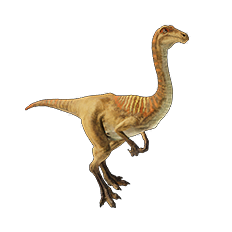
Size
| Size | Small |
|---|---|
| Height (m) | 3 |
| Length (m) | 4.7 |
| Weight (kg) | 450 |
Classification
| Diet | Ground Paleobotany |
|---|---|
| Habitat | Terrestrial |
| Era | Late Cretaceous |
| Family | Ornithomimidae |
| Genus | Gallimimus |
| Bio Group | Small Herbivore |
Rating
| Base Appeal | 21 |
|---|---|
| Appeal (Per Hectare) | 127.5 |
| Base Dominance | 8 |

Stats
| Lifespan | 32 - 64 |
|---|---|
| Resilience | 130 |
| Attack | 8 |
| Defence | 0 |
| Medical Dart Resistance | 60 |
| Sedative Resistance | 60 |
| Poison Resistance | 82 |
| Appetite | 125 |
| Bite Size | 30 |
Security
| Security Rating |  |
|---|---|
| Threat | None |
| Dinosaur Send / Summon | Yes |
Environmental Needs
| Comfort | 30% / 60% / 90% | |
|---|---|---|
| Cover (m2) | 485 | 8% |
| Wetland (m2) | 959 | 16% |
| Ground Leaf (m2) | 3999 | |
| Water (m2) | 604 | |
Genome Trait Chances
| Genetic Mods (Max) | 8 | |
|---|---|---|
| Thirst | 25% | Quenched |
| Humility | 25% | Humble |
| Tolerance | 25% | Tolerant |
| Habituation | 9% | Docile |
| Nocturnal | 4% | Nocturnal |
| Skittish | 50% | Skittish |
Unlock requirements
Unlocked by retrieving the fossil from one of the following dig sites:
| Dig Sites | Locations | Fossils | Requirements (Logistics) | Duration | Cost |
|---|---|---|---|---|---|
| Nemegt Formation A | Asia ┗ Mongolia ┗ Gobi Desert |  x3  x1  x1 | 4 | 4m | $255,000 |
Synthesis
| Eggs | 4 - 6 |
|---|---|
| Requirements (Genetics) | 3 |
| Scientists (Max) | 5 |
| Duration | 30s |
| Cost | $30,000 |
| Cost (Genetic Mods) | $1,500 |
Incubation
| Requirements (Welfare) | 3 |
|---|---|
| Scientists (Max) | 5 |
| Duration | 1m 30s |
| Cost | $15,000 |
Breeding
| Nest Size | Medium |
|---|---|
| Nest Location | Consolidation |
| Breeding Archetype | Fast B |
| Eggs | 4 - 5 |
| Compatibility | 0% - 80% |
| Requirements (Welfare) | 2 |
| Duration | 1m |
| Duration (Incubation) | 2m 30s - 4m 30s |
| Duration (Postpartum) | 1h 11m |
| Cost | $100,000 |
Disease
| Immune | None |
|---|---|
| Susceptible | Avian Influenza |
Description
Gallimimus is a genus of theropod from the ornithomimidae family. Although its name translates to ‘chicken mimic’, Gallimimus is the biggest of the ornithomimid dinosaurs, at around 450kg and 4m in length – the name refers to its neck vertebrae, which are similar to those of chickens. Fast, agile, intelligent and with excellent vision. Gallimimus is well adapted to evading predators and catching its own prey.
Discovery
This genus was discovered in the Gobi Desert in 1964 by Polish paleobiologist Zofia Kielan-Jaworowska when she excavated a partial skeleton in the sands of the Nemegt Basin. Further exploration of the area in the next few years unearthed more Gallimimus bones, giving researchers a more rounded understanding of the genus.
Paleoecology
The remains of Gallimimus have been found across Mongolia, with fossils dating the genus to the Late Cretaceous period, approximately 70m years ago. It lived alongside a wide variety of dinosaurs near rivers, lakes and streams, feeding on ground-level plants and shrubs.
Elsewhere on Paleo.GG
 Gallimimus
 GALLIMIMUS
 Gallimimus
 Gallimimus
 Gallimimus
 Gallimimus
 Gallimimus
 Gallimimus
 Gallimimus (1/2)
 Gallimimus (2/2)
 Gallimimus (1/1)
 Gallimimus (1/1)
 Gallimimus (4/8)
 Gallimimus (3/8)
 Gallimimus (1/8)
 Gallimimus (2/8)
 Gallimimus (6/8)
 Gallimimus (7/8)
 Gallimimus (5/8)
 Gallimimus (8/8)
 Gallimimus
 Gallimimus
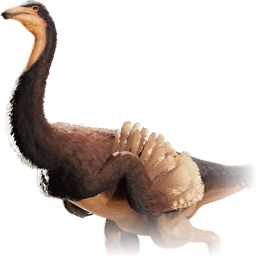 Gallimimus
 Gallimimus
Cohabitation Preferences
Behaviors are scripted in game files but are not guaranteed to happen. Dominance, territory, and traits determine whether they would actually fight.